Tracing the evolution of gambling How history shaped modern gaming practices
The Ancient Roots of Gambling
The history of gambling can be traced back thousands of years, with evidence of dice dating to around 3000 BC in ancient Mesopotamia. Early forms of gambling were often connected to religious practices, serving as a way to seek divine favor or to make decisions. In ancient civilizations, such as those in China and Rome, gambling was widely accepted, with games of chance embedded in cultural rituals. These early gambling activities laid the groundwork for the practices we see today, and our official website helps users navigate this fascinating evolution.

Furthermore, the development of gaming systems evolved alongside society’s advancements, reflecting the changing dynamics of culture, economy, and technology. As trade expanded and commerce grew, so did the complexity and popularity of gambling games.
The Influence of the Middle Ages
During the Middle Ages, gambling transformed significantly, particularly in Europe. This period saw the rise of card games, which became a fashionable pastime among the nobility. The invention of printing technology in the 15th century facilitated the production of playing cards, making them accessible to a broader audience. Gambling, once an elite activity, began to permeate all layers of society.
Moreover, this era witnessed the establishment of formal regulations around gambling. Governments recognized the potential for tax revenues and began to regulate various forms of betting, leading to the creation of state-sponsored lotteries. These developments highlighted gambling’s growing acceptance and its potential as a significant economic activity.
The Evolution of Technology and Gambling
As technology progressed through the centuries, so did the methods of gambling. The 19th century marked the advent of mechanical slot machines, which revolutionized gaming experiences by introducing a new element of chance and excitement. With these innovations came the establishment of casinos, which became social hubs where people gathered to engage in various gambling activities.
The late 20th century brought about a digital revolution, further altering the landscape of gambling. Online casinos emerged, enabling players to gamble from the comfort of their homes. This shift not only expanded the accessibility of games but also introduced new technologies such as random number generators, enhancing fairness and transparency in gaming.
The Modern Gaming Landscape
Today, gambling encompasses a diverse range of practices and platforms, from traditional brick-and-mortar establishments to sophisticated online gaming sites. The use of mobile technology has allowed players to engage in gambling anytime and anywhere, reshaping the way games are played and experienced. Furthermore, the integration of virtual reality and live dealer games is pushing the boundaries of immersive gaming.
The modern gambler has a wealth of options, including sports betting, poker, and various slot games. The industry is continually evolving, with innovations aimed at enhancing player experience, such as gamification and personalized gaming experiences. As technology continues to advance, the future of gambling looks promising, with endless possibilities for growth and development.
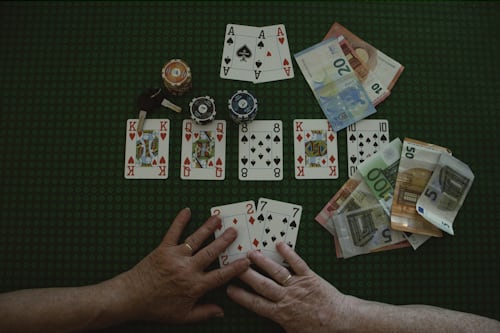
Explore the Latest Trends in Online Gambling
As the gambling industry evolves, our platform provides comprehensive insights into the latest trends, including the emergence of new online casinos. With a focus on user experience, we guide players through the landscape of modern gaming, highlighting exclusive welcome packages and bonuses available at freshly launched sites.
Our reviews feature detailed assessments of the best new casinos, ensuring players can make informed decisions. By prioritizing fast and secure withdrawals, we aim to enhance the overall player satisfaction. Join us to stay updated on exciting promotions and navigate the newest gaming trends in the dynamic world of online gambling.
Leave a Reply